

Loading

Wine for sale: Château Beychevelle

| 34 results
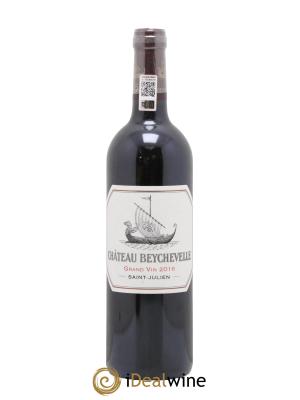
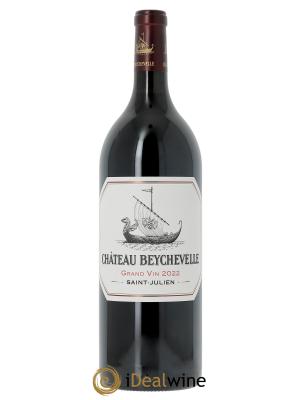
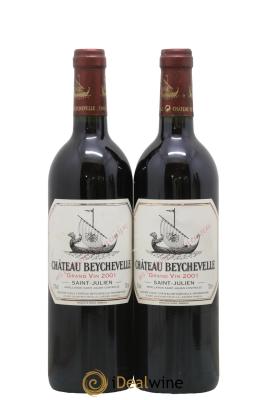
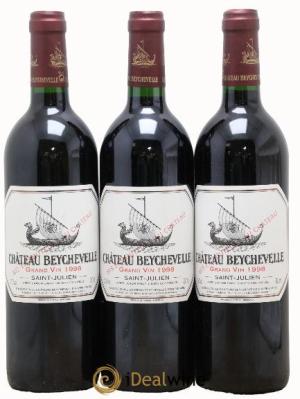
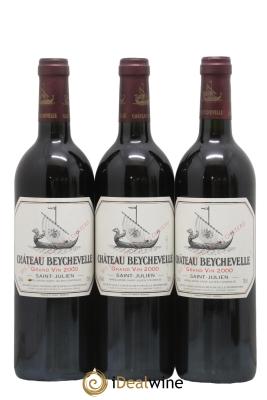
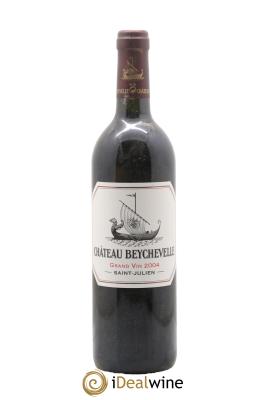
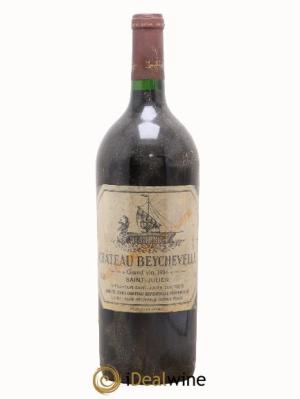
Château Beychevelle - 1
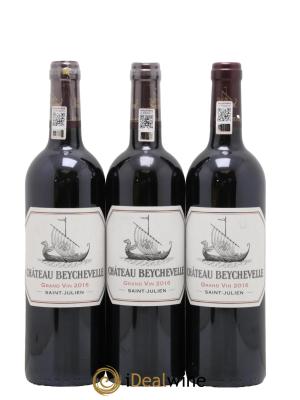
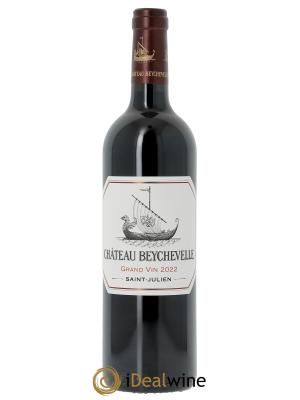
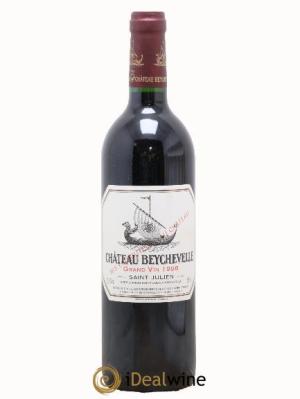
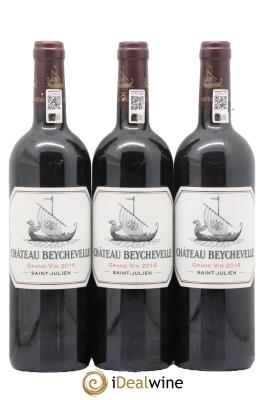
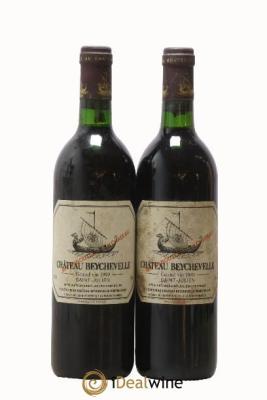
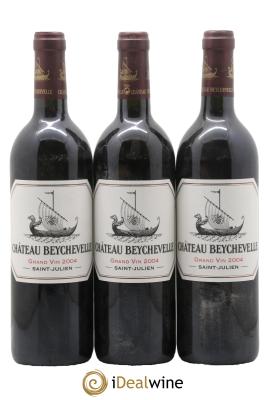
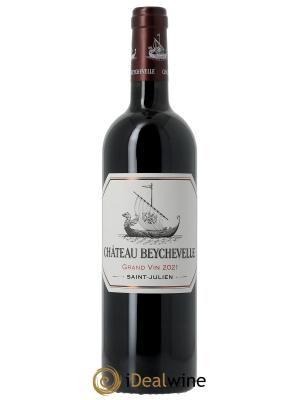
Château Beychevelle - 2
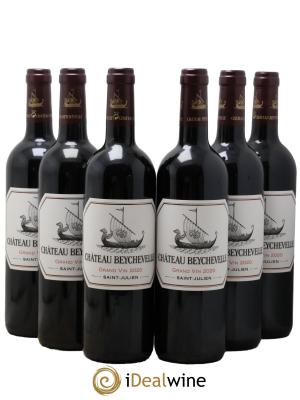
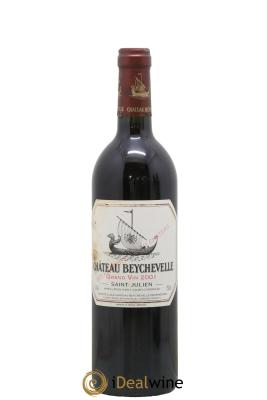
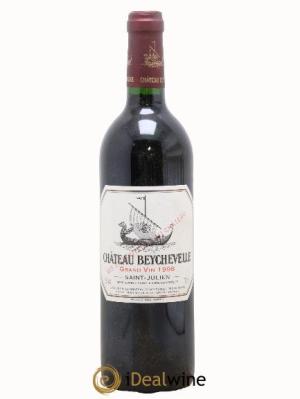
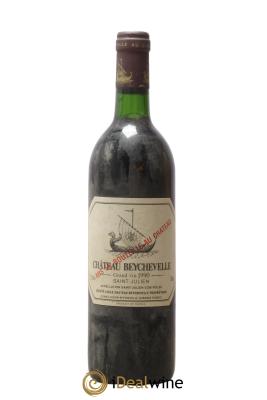
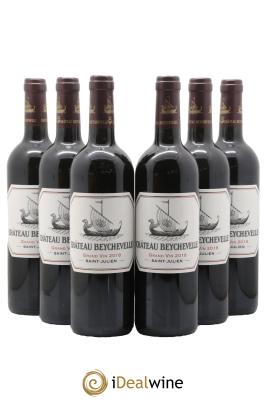
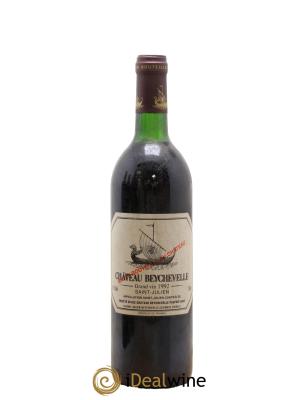
Château Beychevelle - 3
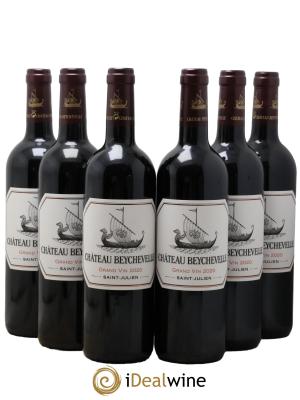
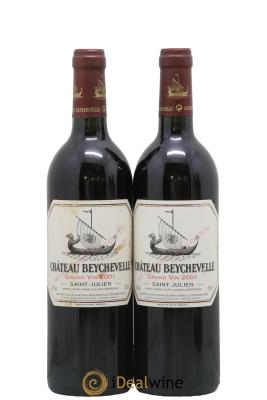
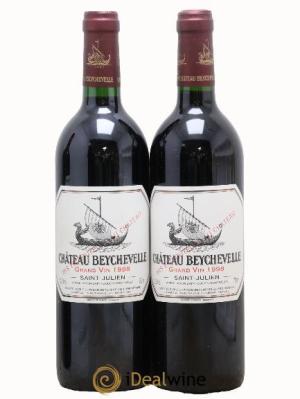
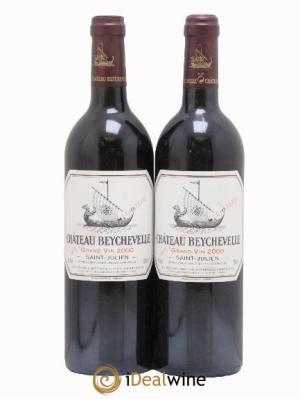
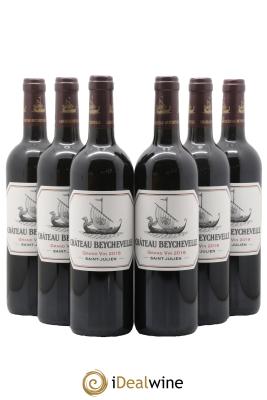
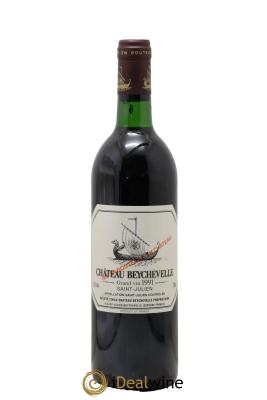
Château Beychevelle - 4

Château Beychevelle

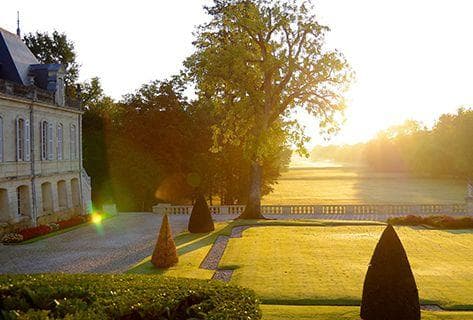
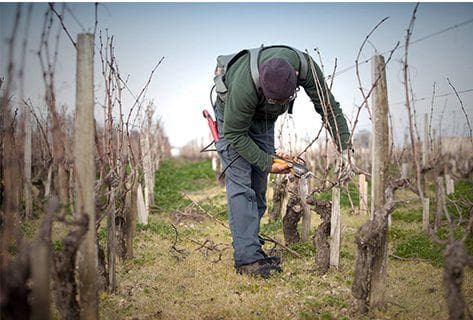
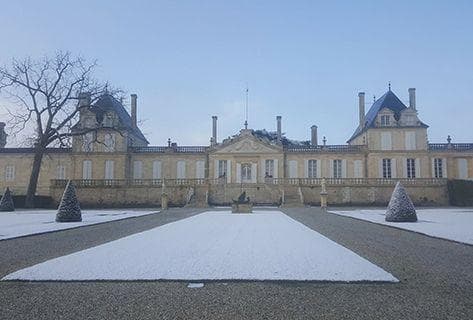
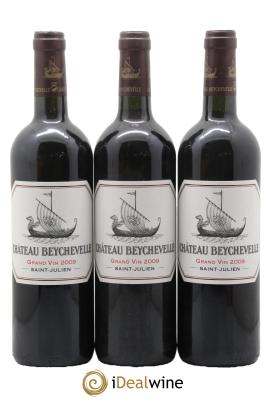
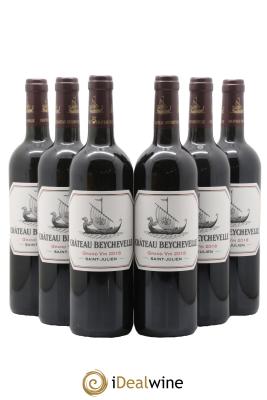
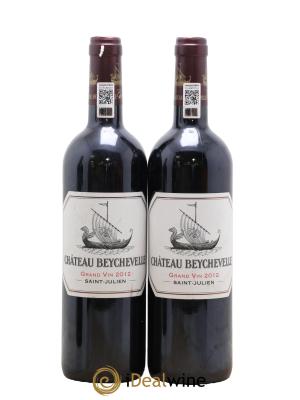
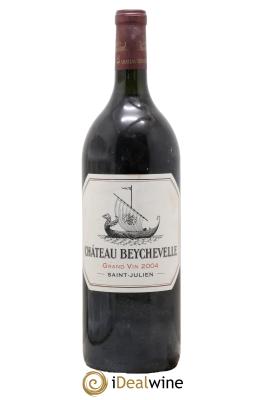
Located on a low plateau, the vineyard in AOC Saint-Julien adjoins the commune of Cussac. Most of the plots have soil similar to Latour, consisting of coarse gravel with the drainage enhanced by numerous channels. The chateau was built in 1565 by Bishop Francois de Foix-Candale. His niece, who inherited it, married Jean Louis de Nogaret de la Valette, first duke of Epernon, grand admiral of France and governor of Guyenne, close to King Henri III. The power and fame of the Duke were such that the boats which passed in front of the domain had to lower the sails in sign of allegiance, hence the name Beychevelle (meaning baisse la voile, or lower the sails in the local dialect). A new chateau was built in the middle of the 18th century by the Marquis de Brassier, Baron de Beychevelle. The property was classified fourth growth in 1855. Several owners succeeded one another until today: the Japanese Suntory and the Castel group are now co-shareholders of GMF (Grands Millésimes de France), which possesses among other things the Chateau Beychevelle. The vineyard extends over 90 hectares within an area of ??250 hectares and the grape variety is composed of 62% Cabernet Sauvignon, 31% Merlot, 5% Cabernet Franc and 2% Petit Verdot. It is managed through responsible farming. Château Beychevelle has become one of the best names from the Médoc region.
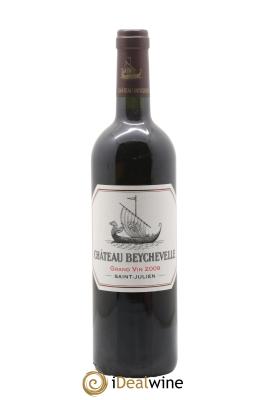
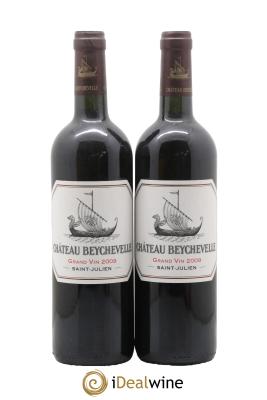
Located on a low plateau, the vineyard in AOC Saint-Julien adjoins the commune of Cussac. Most of the plots have soil similar to Latour, consisting of coarse gravel with the drainage enhanced by numerous channels. The chateau was built in 1565 by Bishop Francois de Foix-Candale. His niece, who inherited it, married Jean Louis de Nogaret de la Valette, first duke of Epernon, grand admiral of France and governor of Guyenne, close to King Henri III. The power and fame of the Duke were such that the boats which passed in front of the domain had to lower the sails in sign of allegiance, hence the name Beychevelle (meaning baisse la voile, or lower the sails in the local dialect). A new chateau was built in the middle of the 18th century by the Marquis de Brassier, Baron de Beychevelle. The property was classified fourth growth in 1855. Several owners succeeded one another until today: the Japanese Suntory and the Castel group are now co-shareholders of GMF (Grands Millésimes de France), which possesses among other things the Chateau Beychevelle. The vineyard extends over 90 hectares within an area of ??250 hectares and the grape variety is composed of 62% Cabernet Sauvignon, 31% Merlot, 5% Cabernet Franc and 2% Petit Verdot. It is managed through responsible farming. Château Beychevelle has become one of the best names from the Médoc region.

2009
70(current price)
2009
140(starting price)Price per bottle 70
2009
210(starting price)Price per bottle 70
2009
210(starting price)Price per bottle 70
2016
90
2016
270Price per bottle 90
2020
564Price per bottle 94
2020
564Price per bottle 94
2022
230
2022
115
2001
63(starting price)
2001
126(starting price)Price per bottle 63
2001
126(starting price)Price per bottle 63
1998
70(starting price)
1998
70(starting price)
1998
140(starting price)Price per bottle 70
1998
210(starting price)Price per bottle 70
2016
210(current price)Price per bottle 70
1990
70(current price)
2000
200(current price)Price per bottle 100
2000
226(current price)Price per bottle 75.33
1989
160(starting price)Price per bottle 80
2018
360(starting price)Price per bottle 60
2018
360(starting price)Price per bottle 60
2018
360(starting price)Price per bottle 60
2012
100(starting price)Price per bottle 50
2004
110(starting price)
2004
110(starting price)
2004
60(starting price)
2004
180(starting price)Price per bottle 60
1992
60(starting price)
1991
55(current price)
1986
180(current price)
Available soon
2021
105
Availability alert
Price estimate for Château Beychevelle

WHAT THE EXPERTS SAY...

BETTANE & DESSEAUVE

LA REVUE DU VIN DE FRANCE